

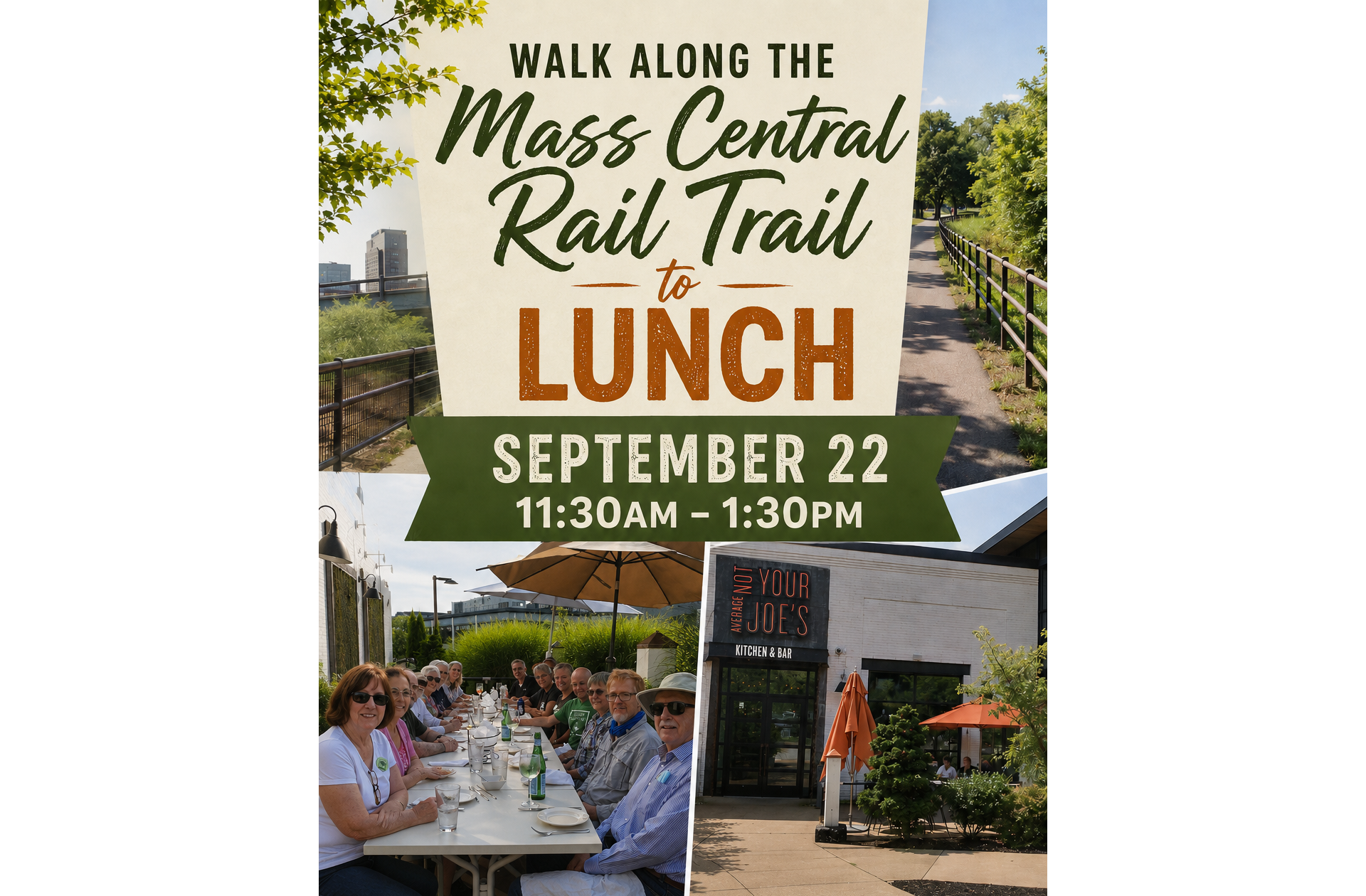
Stroll along the paved MCRT pathway with us to lunch at Not Your Average Joe’s in the Market Basket complex. We’ll check out nature along the way and back, looking for historic features from the old railroad on which the trail now sits. Indicate you are part of Not Your Average Cause #1 , and we get 15% of your food sale - Click HERE to view Fundraiser Sheet

Celebrate National Public Lands Day , where people all over the country give trails and parks some TLC, by picking up litter along the Charles River. We'll provide trash bags, gloves, and snacks. Bring re-usable water bottles and work gloves if you have them. Waltham Trail Runners , and 350 Mass Waltham will be with us!
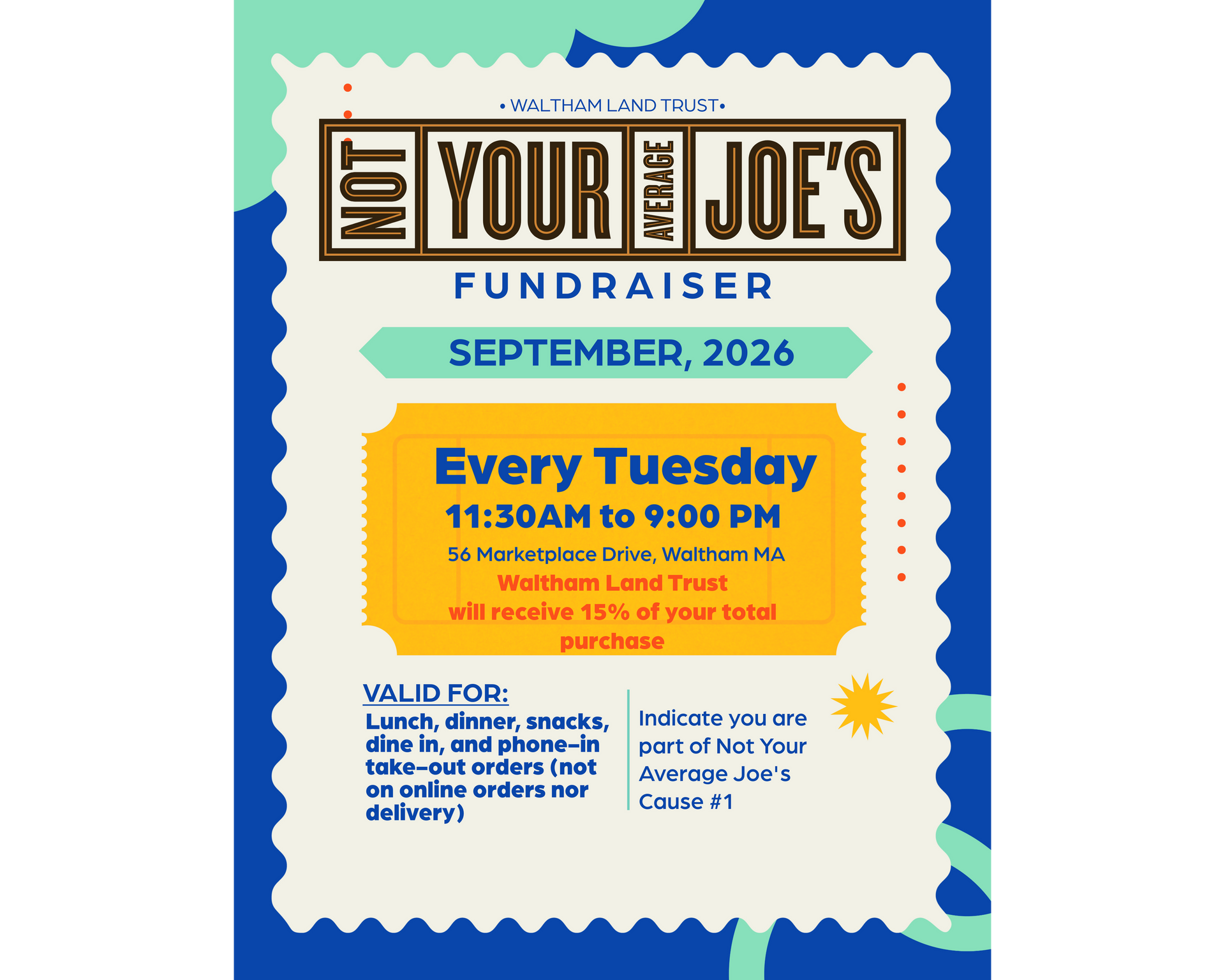
Enjoy food at or from NYAJ’s any Tuesday in September, indicate you are part of Not Your Average Joe's Cause #1 by showing this certificate , and the WLT gets 15% of your food sale. Valid for lunch, dinner, snacks, dine in, and phone-in take-out orders (not on online orders nor delivery). They have a lovely outdoor patio!
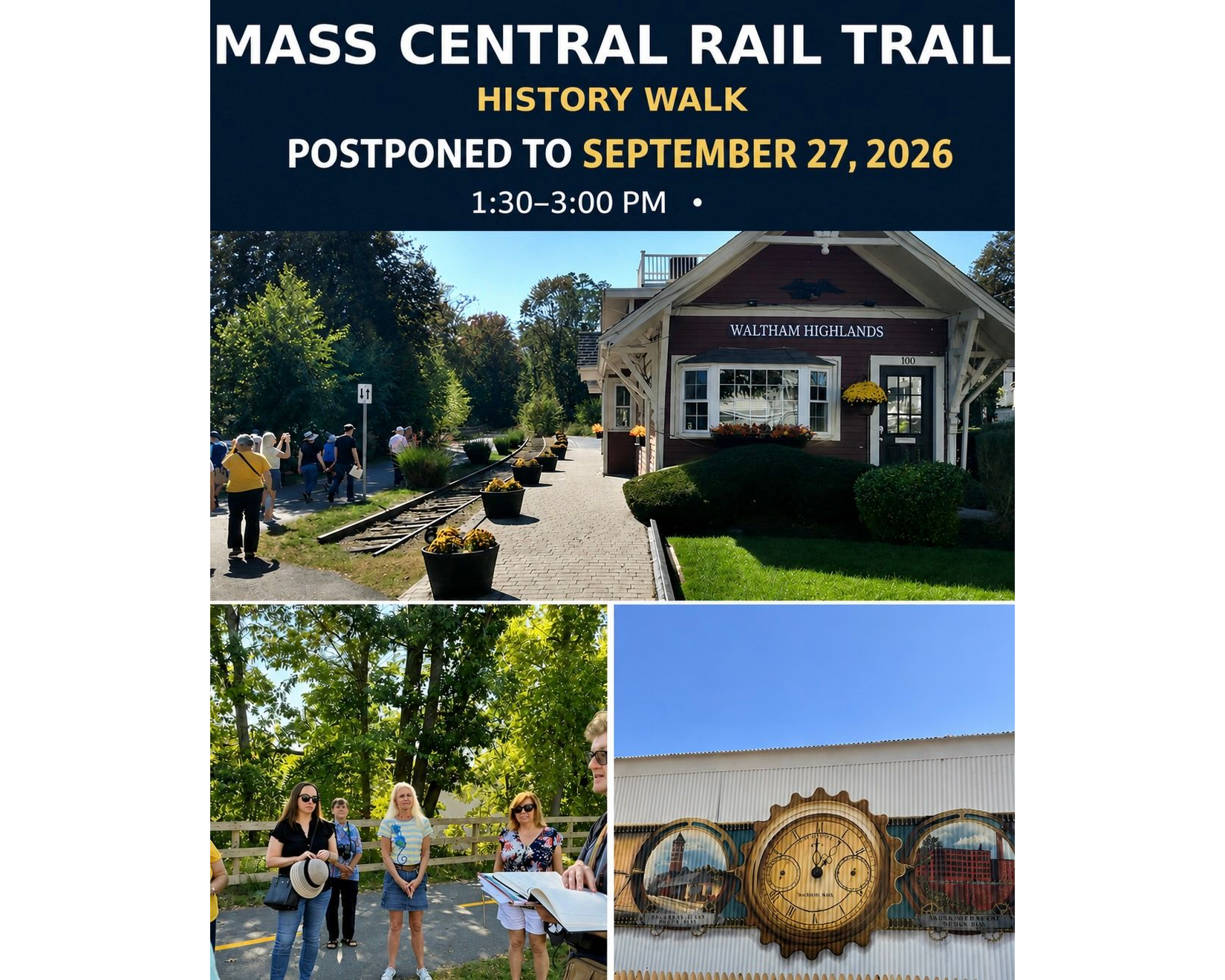
*Our MCRT History Walk is being postponed to September 27, 2026. Same time and meeting spot for those who registered. Sorry for the last-minute change, but due to the unexpected heavy rain, we had no choice but to postpone. Thank you for your understanding. Learn about the history of the railway on which the Mass Central Rail Trail now sits!
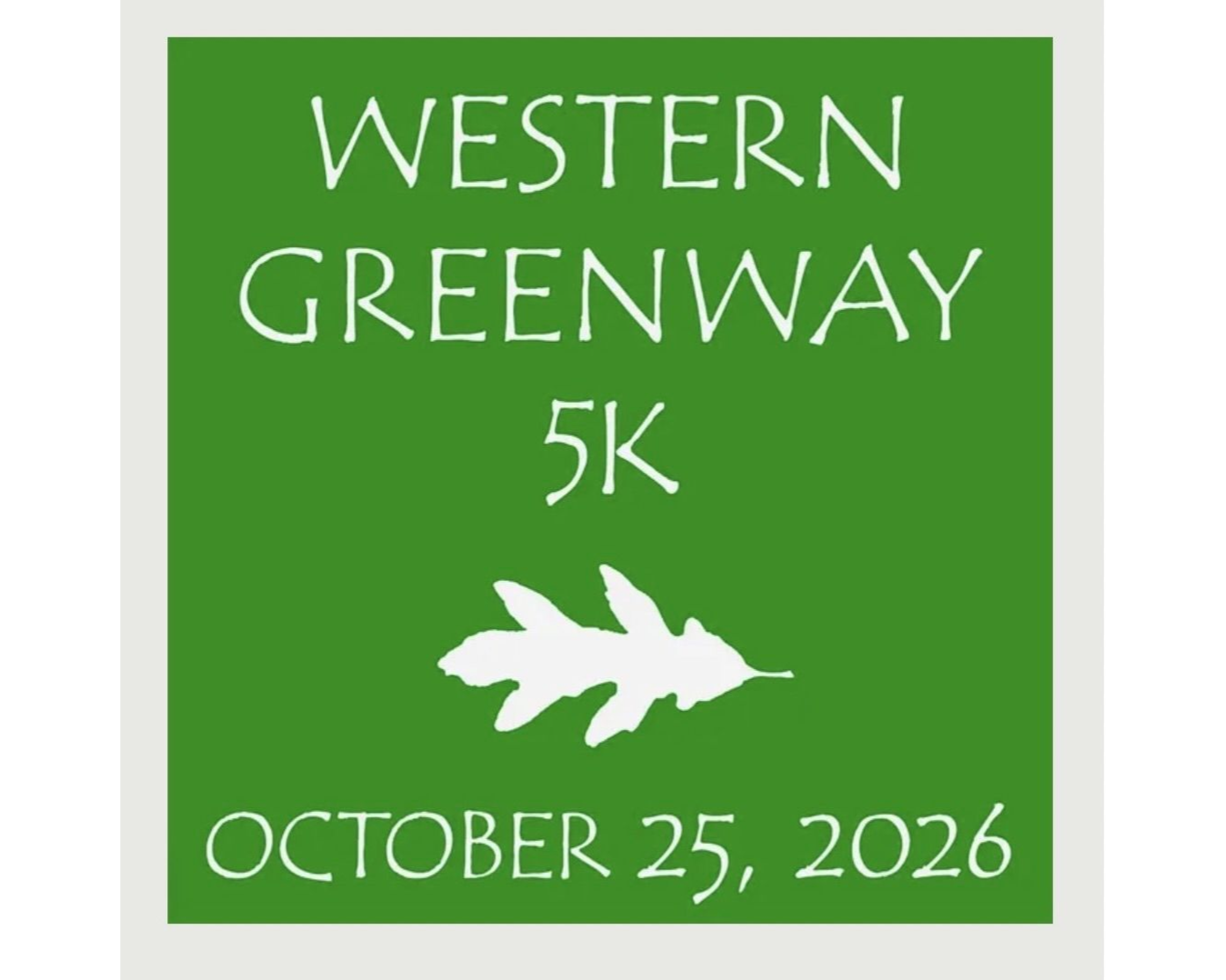
Celebrate Halloween with a spooktacular day on the trails! The Waltham Land Trust invites you to celebrate Halloween in the best way possible — moving through nature, in costume (if it’s safe to run in), and helping protect Waltham’s beautiful open spaces. Since 2013, our Western Greenway 5K has brought together people of all ages to enjoy 3.1 miles of gorgeous fall scenery. The course winds through Beaver Brook North Reservation and Rock Meadow, with stunning views of cattail marshes, forests, vernal pools, and open meadows.
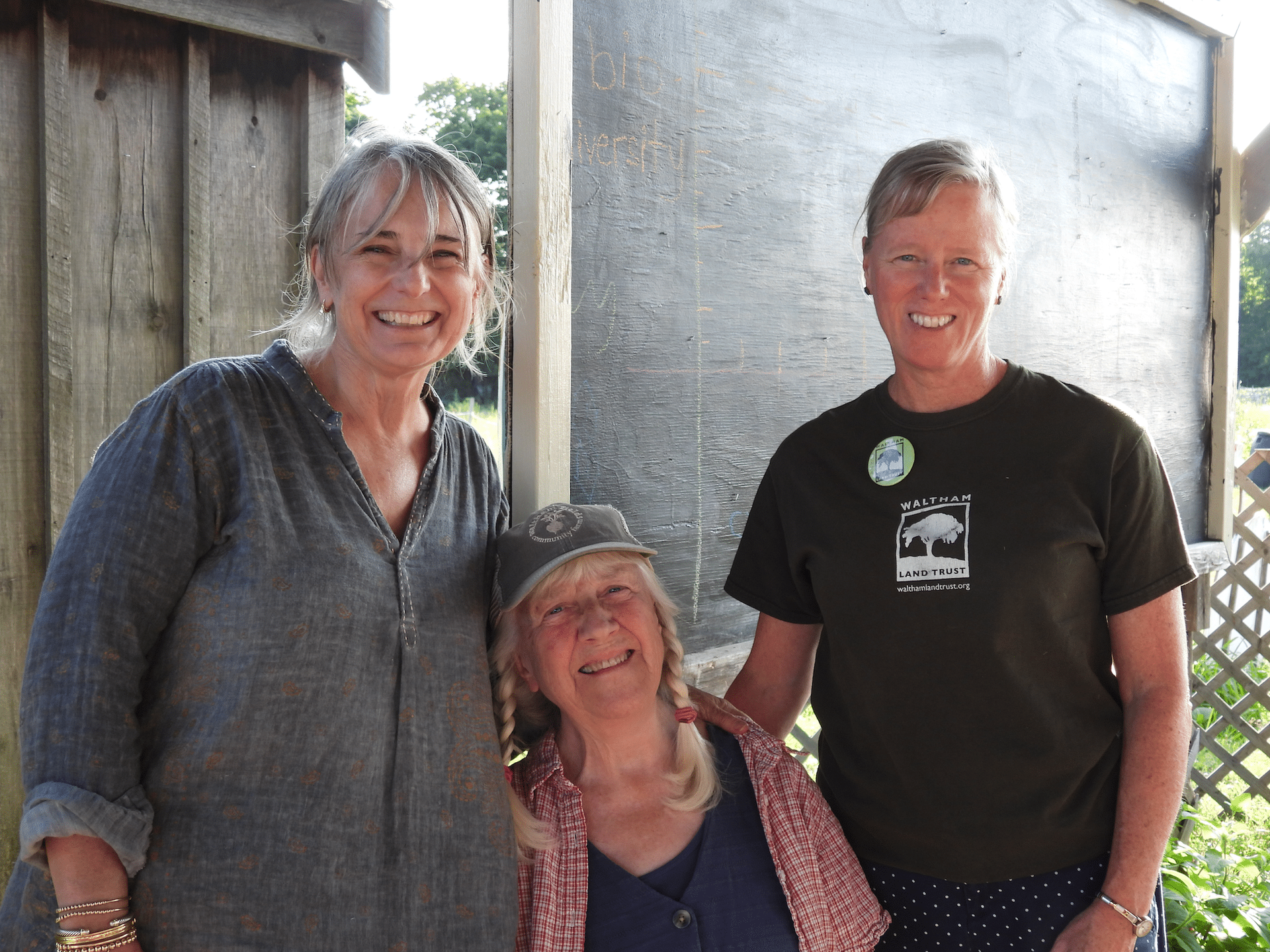
BY EMILY SZCZYPEK ● AROUND TOWN ● JULY 30, 2026 Photo featuring: Stacey Daley, Dee Kricker, and Sonja Wadman. Twenty-six people gathered at Waltham Fields Community Farm on July 23 for an evening of local history, birdwatching and farm-fresh refreshments at the farm’s annual history walk and talk.
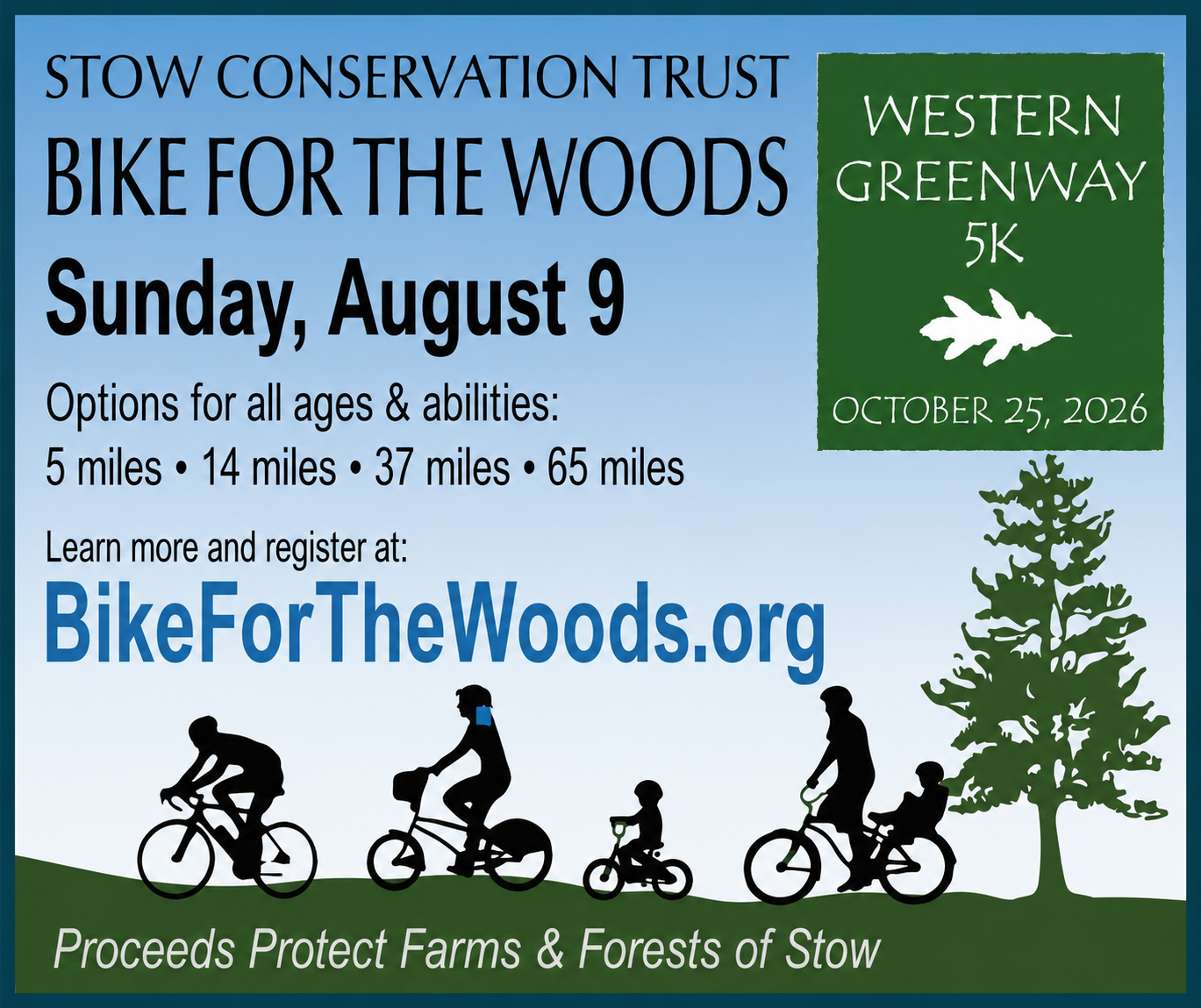
Stow Conservation Trust and the Waltham Land Trust are teaming up to help promote conservation in both of our communities. We hope you will join SCT for their Bike for the Woods on August 9th and WLT for the Western Greenway 5k on October 25th!
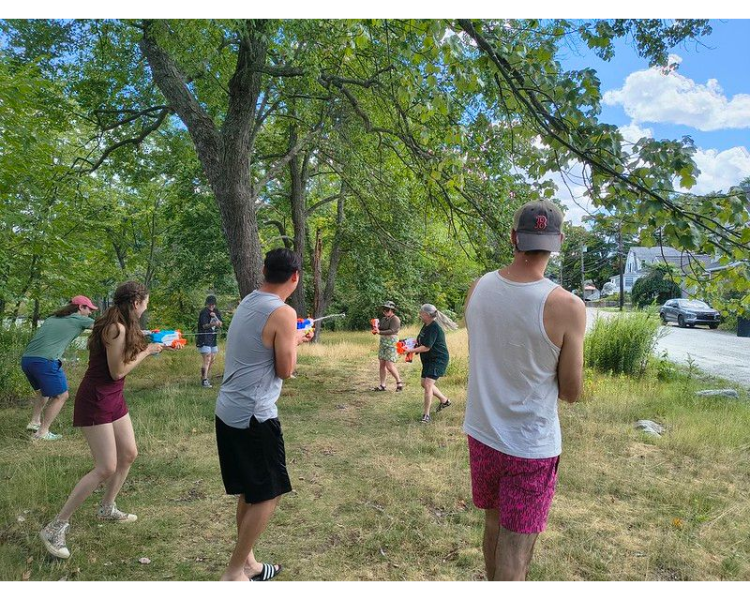
Nine people joined in WLT's inaugural water pistol fight, which was geared towards those aged 18-40 years old (but a few older folks participated). We were thrilled to do this at WLT's Lakeview Preserve, located on Hardy Pond. WLT ED Sonja Wadman described to attendees the plans WLT has for the property and explained the "insect hotels" recently installed on two trees that were designed to give beneficial garden bugs - like solitary bees, ladybugs and butterflies - a safe place to nest, sleep and stay safe during cold winter months. They were made and donated to WLT by employees Pegasystems.
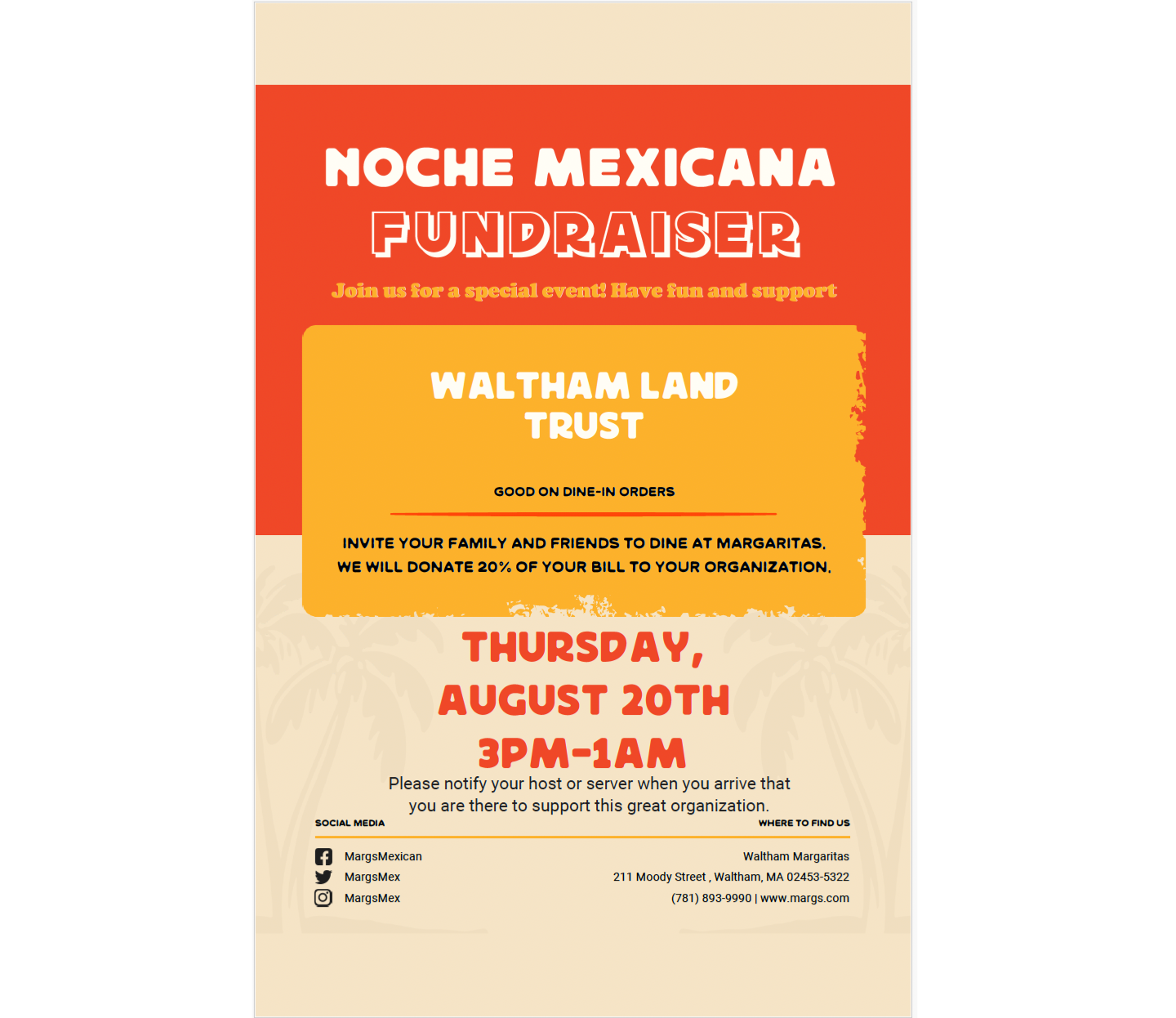
Enjoy delicious Mexican drinks and cuisine at Margaritas located on Moody Street in Waltham! Screenshot the image above or download using the provided link

BY CYD ABNET ● ENVIRONMENT ● JULY 19, 2026 The drought has significantly affected Waltham’s local flora and fauna. According to Waltham Land Trust Executive Director Sonja Wadman, the effects are cascading. “Water sources like the Charles River, Hardy Pond and our brooks shrink, resulting in concentrated amounts of pollutants and exposing critical habitat for fish, migrating birds and amphibians found along the edges of waterways and in wetlands,” she explained. Wadman also noted that trees and plants are affected by the lack of water and often die as a result. “Our volunteer trail and land restoration stewards are very busy trying their best to keep our recently planted and even more established vegetation moist,” she said.